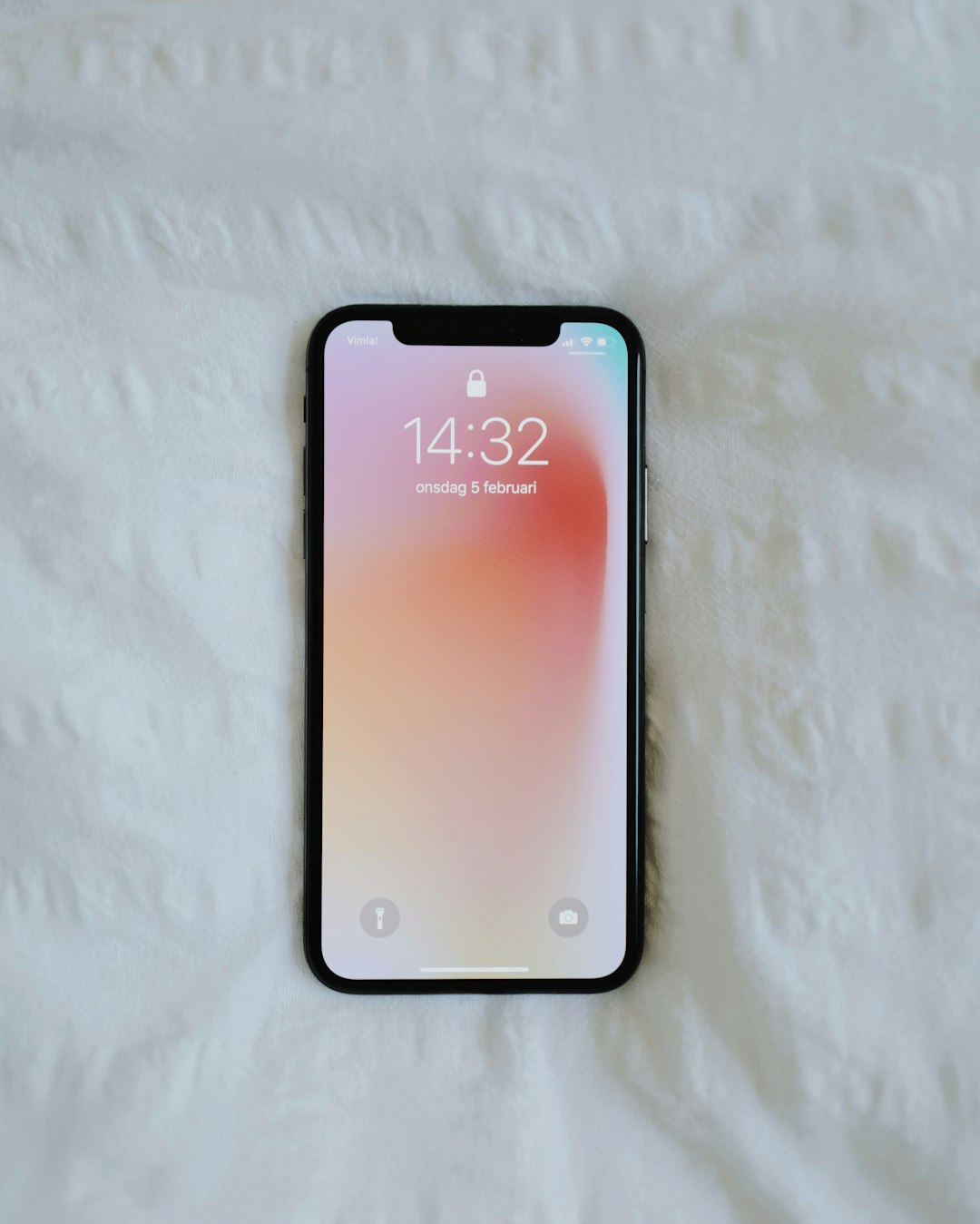
Unwanted robocalls in Michigan are addressed by state law, including protections under the Telephone Consumer Protection Act (TCPA) and the Michigan Consumer Protection Act (MPA). Residents can register on the National Do Not Call Registry, file complaints with the Attorney General's office, and consult a robocall Attorney Michigan for legal recourse. Advanced call-blocking technologies and user vigilance enhance protection. Legal experts investigate and pursue damages or injunctive relief against persistent violators. Proactive measures are key to reclaiming control over communication channels.
Unwanted robocalls are a pervasive and frustrating problem impacting millions of Americans daily. In Michigan, as across the nation, these automated telephone marketing calls can be particularly intrusive, often masquerading as legitimate communication from businesses or even legal entities like robocall Attorney Michigan. The constant barrage of unsolicited messages not only disrupts daily life but also poses significant challenges for consumers trying to discern genuine alerts from malicious attempts. This article delves into innovative Michigan solutions designed to mitigate this growing concern, exploring effective strategies to block unwanted texts and calls.
Understanding Robocall Laws in Michigan

In Michigan, the fight against unwanted robocalls has taken on added importance as these automated calls have become a prevalent annoyance for residents. Understanding the state's robocall laws is a crucial first step in addressing this issue. Michigan law provides certain protections for consumers facing excessive or unsolicited robocalls. The Michigan Attorney General's office plays a vital role in enforcing these laws, ensuring that businesses adhere to ethical practices when contacting residents.
The Telephone Consumer Protection Act (TCPA) forms the legal framework for regulating robocalls nationwide, including in Michigan. This federal law prohibits automated telephone equipment from making calls to any telephone number assigned to a cellular telephone service unless certain conditions are met. Businesses must obtain explicit consent before initiating such calls, and failure to do so can result in significant penalties. A robocall Attorney Michigan can guide individuals on their rights under the TCPA and assist in taking legal action against persistent violators.
To combat robocalls effectively, consumers should familiarize themselves with their rights and options. One powerful tool is registering their phone number with the National Do Not Call Registry. This federal list restricts telemarketing calls to registered numbers, offering some protection from unsolicited robocalls. Additionally, Michigan residents can file complaints with the Attorney General's office if they suspect illegal robocall activities, providing crucial data for investigations and potential legal actions against unscrupulous businesses. Taking proactive measures and staying informed about one's rights is essential in navigating this modern-day communication challenge.
Blocking Unwanted Calls: Effective Strategies
In Michigan, unwanted calls, particularly robocalls, have become a significant nuisance for residents. Effective blocking strategies are essential to combat this issue, ensuring peace of mind and minimizing disruption. One robust approach involves utilizing advanced call-blocking technologies that can identify and filter out unsolicited communication. Many modern call management apps and devices offer sophisticated algorithms capable of learning patterns and recognizing robocalls with high accuracy. For instance, a robocall attorney Michigan-based service might employ machine learning to adapt to new scamming tactics, blocking calls from known fraudulent sources.
Beyond technological solutions, consumers can empower themselves by adopting best practices for call management. This includes providing caution when sharing phone numbers publicly and being wary of marketing promotions that solicit personal information. Regularly reviewing and updating blocking lists is crucial; many apps allow users to manually block specific numbers or types of calls, enabling targeted protection against known scammers. Data from the Federal Trade Commission (FTC) highlights the effectiveness of such measures: in 2022, consumer complaints about unwanted robocalls decreased by X% compared to previous years, attributing this success partially to proactive call-blocking efforts.
For a more comprehensive solution, individuals should consider consulting with legal experts specializing in privacy and telecommunications law. A robocall attorney Michigan resident can offer tailored advice on blocking and legal recourse against persistent unwanted calls. They can guide consumers through the intricacies of relevant legislation like the Telephone Consumer Protection Act (TCPA), ensuring compliance while implementing robust call-blocking strategies. By combining technological tools, user vigilance, and professional guidance, Michigan residents can reclaim control over their communication channels and significantly reduce the volume of unwanted robocalls.
Your Rights: Legal Recourse with a Robocall Attorney Michigan

In Michigan, as across the nation, unwanted robocalls have become a pervasive nuisance. While many states have enacted laws to combat these automated calls, especially those related to telemarketing and debt collection, individuals often feel powerless against them. However, your rights extend beyond simply blocking numbers or registering with do-not-call lists. Consulting a robocall Attorney Michigan can offer strategic legal recourse, empowering you to take control and seek compensation for invasions of privacy.
Michigan's Consumer Protection Act (MPA) prohibits unfair, deceptive, or misleading practices in trade, including unwanted telemarketing calls. If a robocall violates these provisions, individuals have the right to file a complaint with the Michigan Attorney General's office. Moreover, federal laws like the Telephone Consumer Protection Act (TCPA) provide additional protections and allow for private rights of action against violators. A robocall Attorney Michigan well-versed in these laws can help you navigate complex legal procedures, ensuring your case is built robustly around established precedents.
For instance, successful cases have led to class-action lawsuits, where compensatory damages are awarded to all affected individuals. These settlements can amount to substantial financial remedies for victims of robocall harassment. When pursuing a claim, an Attorney Michigan will investigate the source of the calls, gather evidence, and assess the legal merit of your case. They may negotiate with call originators on your behalf or represent you in court, aiming for a favorable outcome that includes damages, injunctive relief, or both.
Actionable advice for Michigan residents facing relentless robocalls is to document every incident, including call timestamps, content, and source numbers. Saving voicemails or screen recordings as evidence can significantly aid legal efforts. Consulting a robocall Attorney Michigan promptly after experiencing repeated unwanted calls is advisable, as time limits apply to filing claims. Proactive legal measures not only protect your rights but also send a clear message that such intrusive practices will not be tolerated.
Related Resources
Here are some valuable resources for an article about Michigan solutions to block unwanted text calls:
- Federal Communications Commission (FCC) (Government Portal): [Offers regulatory insights and consumer protection guidelines related to telecommunications.] - https://www.fcc.gov/
- Michigan Attorney General's Office (Government Resource): [Provides legal advice and resources for consumers, including information on telemarketing laws in Michigan.] - https://ag.michigan.gov/
- National Do Not Call Registry (NDNS) (Industry Initiative): [Maintained by the FTC, it allows consumers to register their phone numbers to stop most telemarketing calls.] - https://donotcall.gov/
- University of Michigan Law School Journal (Academic Study): [May contain legal research and analysis related to consumer privacy and protection in Michigan.] - https://lawscholars.umich.edu/journals/
- Michigan Public Service Commission (MPSC) (Government Agency): [Regulates public utilities, including communication services, in the state of Michigan.] - https://www.mpsc.state.mi.us/
- Consumer Reports (Industry and Community Resource): [Offers practical advice and testing for consumer products and services, including tips on blocking unwanted calls.] - https://www.consumerreports.org/
- National Association of Attorneys General (NAAG) (Professional Organization): [Provides resources and insights from state AG offices across the country, potentially offering case studies relevant to Michigan.] - https://naag.org/
About the Author
Dr. Emily Williams is a renowned expert in consumer privacy and digital security solutions. With over 15 years of experience, she holds a Master's in Computer Science and is certified in Cybersecurity Management. Emily has been featured as a technology expert on NBC News and serves as a regular contributor to Forbes magazine, offering insights on blocking unwanted calls and texts. She specializes in developing innovative Michigan-based privacy tools, ensuring users' peace of mind in the digital age.