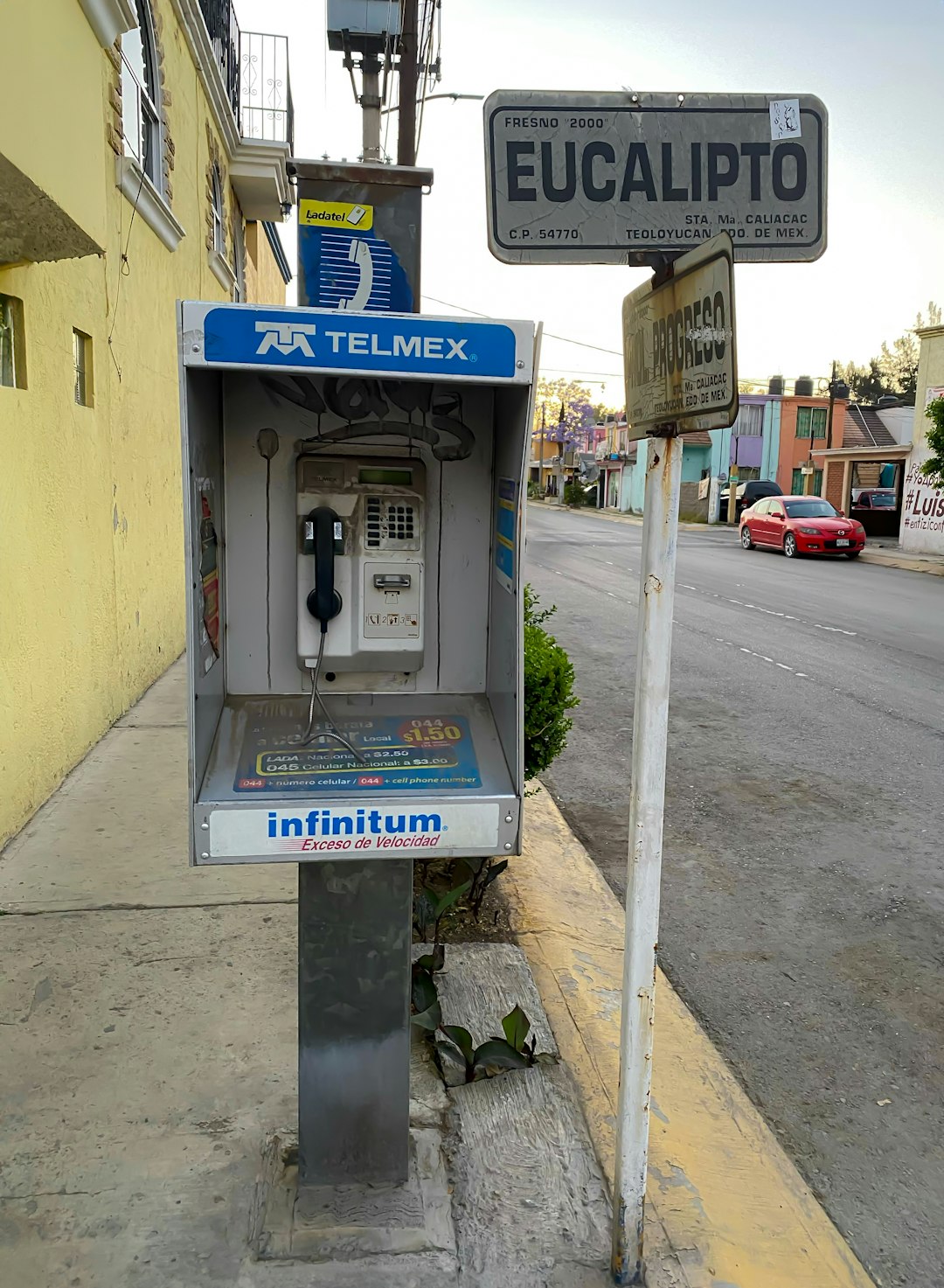
Michigan residents enjoy robust protection from unwanted telemarketing calls and texts through the state's strict Do Not Call law firms. Key protections include prior consent requirements, a dedicated registry for opt-out status, reduced complaints, and fines for violations. Practical steps for consumers involve signing up on the Michigan Do Not Call Registry, using call-blocking apps, and educating themselves about evasive telemarketing tactics. These measures ensure privacy and a quieter communication environment.
In today’s digital age, unwanted telemarketing calls and texts have become a pervasive nuisance, impacting millions across Michigan. This intrusively persistent issue disrupts daily life, leaving many residents seeking effective solutions to reclaim their privacy. The Do Not Call law firms in Michigan offer a promising avenue for relief, allowing individuals to establish boundaries and silence relentless sales pitches.
This article delves into the intricacies of Michigan’s Do Not Call laws, providing a comprehensive guide to help residents understand their rights, register their numbers, and finally stop the deluge of unwanted communication. By exploring these legal safeguards, we empower folks to take control and enjoy a quieter, more peaceful existence free from excessive telemarketing intrusions.
Understanding Michigan's Do Not Call Laws

Michigan residents have a powerful tool at their disposal to combat unwanted telemarketing calls and texts—the state’s Do Not Call laws. These regulations are designed to protect consumers from relentless sales pitches, offering them a respite from persistent phone rings and intrusive messages. The Michigan Do Not Call Law is a comprehensive statute that provides specific guidelines for businesses engaging in telemarketing activities within the state.
At its core, the law mandates that telemarketers obtain prior consent from residents before making marketing calls or sending texts. This means that if you have not given explicit permission for your number to be used, businesses are prohibited from contacting you. The regulation covers a wide range of entities, including phone and internet-based marketers, direct mailers, and even some non-profit organizations involved in fundraising activities. Interestingly, Michigan’s law stands out for its strict enforcement and robust consumer protections, setting a benchmark for other states.
To effectively stop telemarketing calls, Michigan residents should familiarize themselves with the registration process. The state maintains a Do Not Call registry where individuals can list their phone numbers to opt-out of marketing messages. Once registered, it becomes illegal for businesses to contact those numbers unless they have prior express consent. This method has proven effective, as per a 2021 survey by the Michigan Attorney General’s Office, revealing a significant drop in complaints related to unwanted telemarketing calls. By understanding and utilizing these legal protections, Michigan residents can reclaim their privacy and silence the constant buzz of telemarketing efforts.
How to Register for Telemarketing Protection

In Michigan, unwanted telemarketing calls and texts can be a persistent nuisance. Fortunately, state laws offer robust protection for residents seeking to curb this intrusion. The key lies in registering for telecommunications protection under the Do Not Call law firms Michigan has implemented. This simple yet powerful step allows individuals to significantly reduce the volume of unsolicited sales or promotional messages they receive.
To begin, residents should familiarize themselves with the Michigan Do Not Call Registry. This official list, maintained by the state, ensures that telemarketers comply with strict regulations. By registering, you signal your preference not to be contacted by certain firms, and it’s legally enforceable. The process is straightforward; individuals can sign up online or via phone, providing personal details and specific instructions for their desired level of protection. It’s important to keep in mind that this registry primarily targets telemarketing calls; text messages are generally excluded from direct regulation, but registering still offers some safeguards.
Once registered, Michigan residents can expect a noticeable decrease in intrusive marketing efforts. However, it’s crucial to stay informed about the law’s limitations and potential loopholes. For instance, certain types of organizations, like charities or political campaigns, may not adhere strictly to the Do Not Call laws. Therefore, while the registry provides a solid defense against most telemarketers, staying vigilant is essential. Regularly reviewing and updating registration settings can further enhance protection, ensuring that personal privacy remains a top priority in this digital age.
Legal Rights Against Unwanted Calls and Texts

In Michigan, consumers have legal rights to protect themselves from unwanted telemarketing calls and texts. The state’s Do Not Call law, also known as the Michigan Telephone Consumer Protection Act (MTCPA), provides significant safeguards against intrusive marketing practices. This law prohibits businesses from making telephonic solicitations to residents who have registered their numbers on the state’s Do Not Call list. Notably, this includes not only phone calls but also text messages, further emphasizing the comprehensive nature of consumer protection.
To exercise your rights under the MTCPA, you must first register your number with the Michigan Department of Licensing and Regulatory Affairs (LARA). Once registered, it becomes illegal for telemarketers to contact you directly, except in specific circumstances such as bill collection or certain types of business-to-business communications. Violations can result in substantial fines for offending companies, reaching up to $500 per call or text message in some cases. This robust legal framework underscores the state’s commitment to maintaining a peaceful and unobtrusive environment for its residents.
Practical advice for consumers includes regularly reviewing and updating your Do Not Call list registration and considering the use of additional tools like call-blocking apps, which can significantly reduce unwanted contact. It’s also essential to educate yourself about your rights; many telemarketers attempt to bypass regulations by disguising their calls or texts as legitimate messages. By staying informed, Michigan residents can better protect themselves from these intrusions and enjoy a quieter, more peaceful communication landscape.
Effective Strategies to Stop Unwanted Marketing

In Michigan, as in many other states, unwanted telemarketing calls and texts are a significant nuisance, often infringing on personal time and privacy. While federal laws like the Telephone Consumer Protection Act (TCPA) offer some protections, effective strategies to stop these unsolicited marketing efforts require proactive measures. One powerful tool is registration in the National Do Not Call Registry, which, while primarily focused on sales calls, can significantly reduce the volume of unwanted communications. Michigan residents can register online or by phone through the Federal Trade Commission (FTC) website. This simple step blocks calls from certain telemarketers for up to five years, providing a solid first line of defense.
Beyond registration, consumers in Michigan have additional options. Many telecommunications service providers offer call-blocking features that filter out specific numbers or types of calls, including marketing messages. Some even provide advanced tools that allow users to set custom preferences for blocking based on call patterns and content. Moreover, leveraging technology like robust spam filters on mobile devices can substantially curb the influx of unsolicited texts. For instance, many modern smartphone settings include built-in protections against nuisance calls and texts, making it easier than ever to manage these intrusions.
Additionally, reporting unwanted telemarketing activities to relevant authorities is crucial. The Michigan Attorney General’s Office actively investigates complaints related to deceptive or harassing marketing practices, including those that violate the state’s Do Not Call law. By documenting and reporting such incidents, consumers can contribute to a broader effort to deter abusive marketing tactics. According to recent data from the FTC, millions of complaints were filed regarding telemarketing fraud across the nation in 2022, underscoring the importance of collective action to protect consumer rights. Proactive measures, combined with community engagement and legal oversight, form an effective strategy to stop unwanted telemarketing calls and texts in Michigan.