In Michigan, robocalls are regulated by state and federal laws, including the TCPA. Residents facing unwanted calls can consult a robocall Attorney Michigan for guidance on blocking, suing, or negotiating with call centers. Legal assistance, along with strategies like registering for the National Do Not Call Registry and using call-blocking apps, helps protect individuals from harassing robocalls and creates a safer digital environment.
In today's digital era, Michigan residents often find themselves on the receiving end of intrusive robocalls. Understanding your legal rights and knowing how to handle these automated calls is crucial. This comprehensive guide explores Michigan's laws surrounding robocalls, empowering citizens with strategies to stop unwanted calls. From recognizing robocalls to engaging a robocall attorney for effective complaint navigation, we provide actionable steps to protect against future invasions of privacy.
Understanding Robocalls and Michigan Law

Robocalls, automated telephone calls from computers or pre-recorded messages, have become a common nuisance across the country, including Michigan. While many robocalls are for legitimate purposes like marketing or debt collection, some can be fraudulent or harassing. Michigan law provides certain protections for residents against unwanted robocalls.
Michigan follows the federal Telephone Consumer Protection Act (TCPA), which restricts how businesses and organizations can use automated dialing systems to make calls. A robocall Attorney in Michigan can help you understand your rights under this legislation. If you have received a robocall, you may be entitled to legal recourse if the call violated your privacy or was made without your consent.
Legal Rights of Michigan Residents Against Robocalls
Strategies to Stop Unwanted Automated Calls

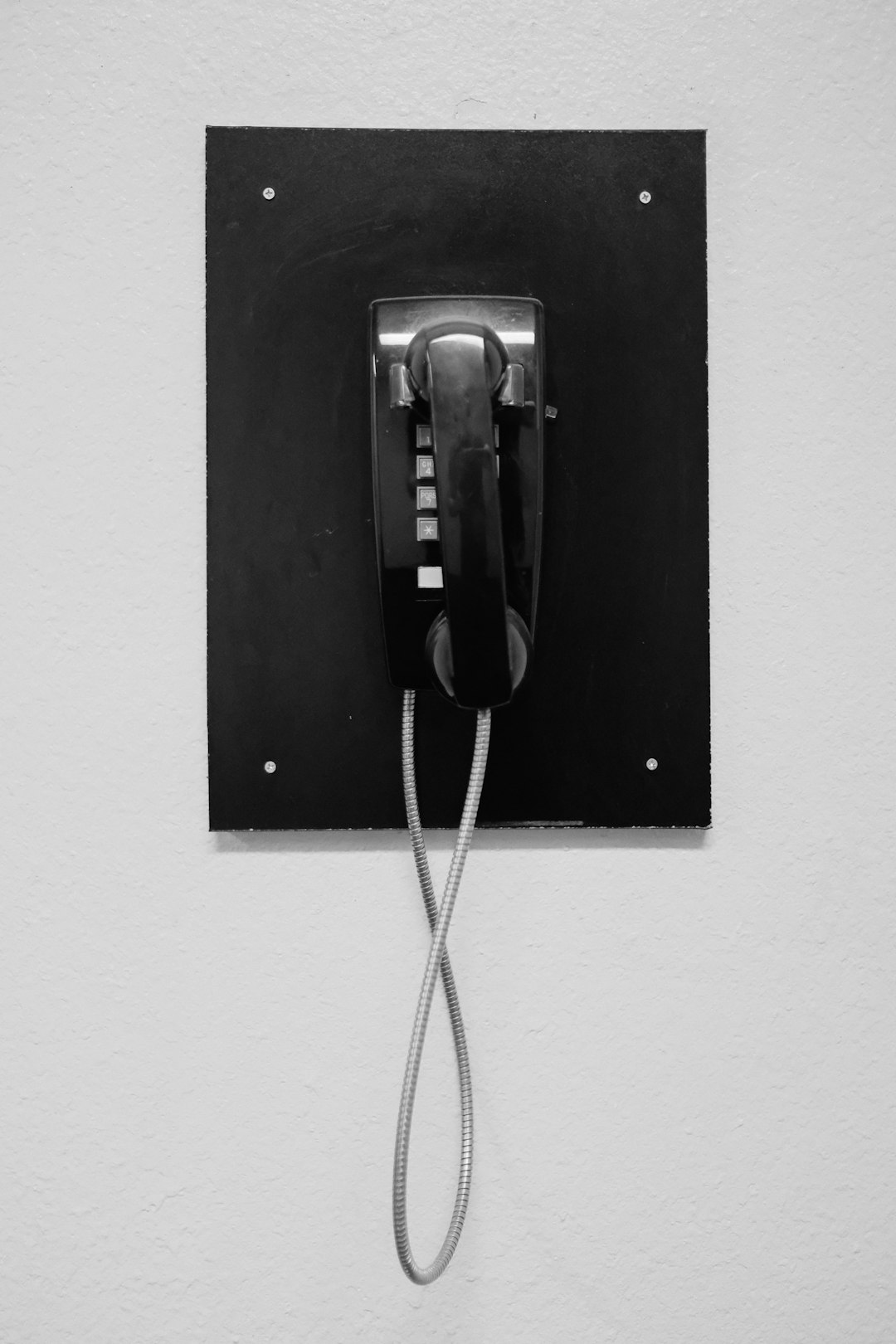
In Michigan, like many other states, robocalls have become a persistent nuisance. While some calls may offer valuable services, many are unsolicited and can be legally blocked. One effective strategy to stop unwanted automated calls is to register your phone number on the National Do Not Call Registry. This federal list restricts telemarketers from calling numbers listed on it. Additionally, consult with a robocall attorney in Michigan who specializes in consumer protection law; they can guide you through legal options available to block and potentially sue offenders.
Another layer of defense involves utilizing call-blocking apps or hardware filters designed to recognize and discard robocalls. These tools learn from community-shared data, becoming more accurate over time. Many modern smartphones have built-in features that help identify and silence these calls. Engaging in proactive measures not only protects you from intrusive marketing but also empowers fellow Michiganders to do the same, fostering a safer digital environment for all.
Role of Attorney in Navigating Robocall Complaints

If you're experiencing a surge of unwanted robocalls in Michigan, it's crucial to understand your rights and options for legal recourse. A robocall attorney in Michigan can play a pivotal role in navigating these complaints effectively. They possess specialized knowledge of state and federal laws pertaining to telemarketing practices, including the Telephone Consumer Protection Act (TCPA).
These legal experts can assist you in determining whether the robocalls you receive violate your rights and, if so, guide you through potential courses of action. This may involve sending cease-and-desist letters, filing formal complaints with regulatory bodies, or even pursuing legal action against the offending telemarketers. By enlisting the help of a robocall attorney in Michigan, you can protect yourself from unwanted intrusions and ensure your privacy is respected according to the law.
Effective Measures to Protect Against Future Robocalls

To protect yourself from future robocalls, consider taking proactive measures. First, register for the National Do Not Call Registry, which is a federal database designed to prevent unsolicited calls. This simple step ensures that legitimate businesses cannot contact you using automated dialing systems.
Additionally, consult with a robocall attorney in Michigan who specializes in telecommunications law. Legal counsel can advise on blocking and tracing unauthorized calls, helping you understand your rights under state and federal laws, such as the Telephone Consumer Protection Act (TCPA). Regularly reviewing call records and reporting suspicious activity to relevant authorities is also recommended.