
Michigan's strict consumer protection laws, modeled after federal guidelines, restrict robocalls through the MTCPA, focusing on call timing, identification, and consent. Penalties reach $1,000 per violation. Effective enforcement by regulators and consultation with robocall lawyers Michigan deter abuse. Businesses must implement rigorous robocall minimization procedures. Residents can combat robocalls using tools like the National Do Not Call Registry, blocking apps, smartphone settings, and call screening services. Robocall lawyers Michigan offer legal representation against violators, securing settlements and blocking future calls. Staying informed about robocall trends is crucial for effective protection.
Robocalls remain a significant nuisance and potential hazard for residents across Michigan, with unlawful telemarketing calls reaching epidemic levels. These automated phone systems not only disrupt daily life but also pose risks to personal privacy and security. As the volume of robocalls escalates, so does the need for effective solutions. In this authoritative guide, we delve into practical strategies to combat this growing problem, empowering Michigan residents with tools to block and report these unwanted intrusions. Drawing on insights from leading robocall lawyers Michigan, this article offers tangible steps towards regaining control over your communication channels.
Understanding Michigan's Robocall Regulations: Legal Framework

Michigan's regulations surrounding robocalls reflect a growing national effort to protect consumers from intrusive automated telephone marketing. The state has specifically addressed this issue through the Michigan Telephone Consumer Protection Act (MTCPA), which mirrors federal guidelines set by the Telecommunications Act of 1997. This legislation grants residents substantial protections against unwanted robocalls, while also establishing clear guidelines for businesses engaging in automated calls for marketing purposes.
Key aspects of Michigan's legal framework include restrictions on the timing and content of robocalls, as well as requirements for caller identification and disclosure. Companies must obtain explicit consent from individuals before placing automated calls, and these calls must include a clear and conspicuous statement identifying the caller. Failure to comply with these rules can result in significant penalties, including treble damages, attorney fees, and fines up to $1,000 per violation. Robust enforcement by state regulators, coupled with the services of robocall lawyers Michigan, plays a crucial role in deterring abusive calling practices and ensuring businesses adhere to these important consumer protections.
For instance, a recent case involved a company that inadvertently called numbers listed as "do not call" on multiple occasions. As a result, they faced numerous legal challenges and substantial financial penalties. This underscores the importance of proper training, compliance programs, and seeking counsel from robocall lawyers Michigan to navigate these complex regulations effectively. Businesses must implement rigorous procedures to minimize robocalls and ensure they respect consumer privacy rights.
Practical Measures to Block Calls: Tools & Techniques for Residents

In Michigan, as across the nation, robocalls have become a pervasive nuisance. While many consumers resort to expensive commercial blocking apps, there are practical, free, and effective measures residents can employ to stop robocalls. One powerful tool is the National Do Not Call Registry. Enforced by the Federal Trade Commission (FTC), this registry allows you to opt-out of most telemarketing calls. However, for those specifically targeted by robocall lawyers Michigan, additional steps are necessary.
Robocall blocking apps like "TrueCall" or "Hiya" offer advanced detection and blocking capabilities, leveraging vast databases of known spam numbers. These apps not only identify but also block calls from verified robocallers, providing a robust first line of defense. Additionally, Michigan residents can utilize call-blocking features built into modern smartphones. Customizing call settings to automatically block unknown numbers or those matching specific patterns can significantly reduce the volume of unwanted calls.
For a more tailored approach, consider employing call screening services. Some phone carriers offer this feature, allowing you to preview and accept or reject incoming calls. This method is particularly useful for identifying suspicious or illegal robocalls. Furthermore, staying informed about emerging robocall trends and tactics from Michigan-based consumer advocacy groups empowers individuals to adapt their blocking strategies accordingly. Regular updates from these organizations can provide valuable insights into new types of robocalls and effective countermeasures.
Engaging Robocall Lawyers Michigan: Protecting Your Rights
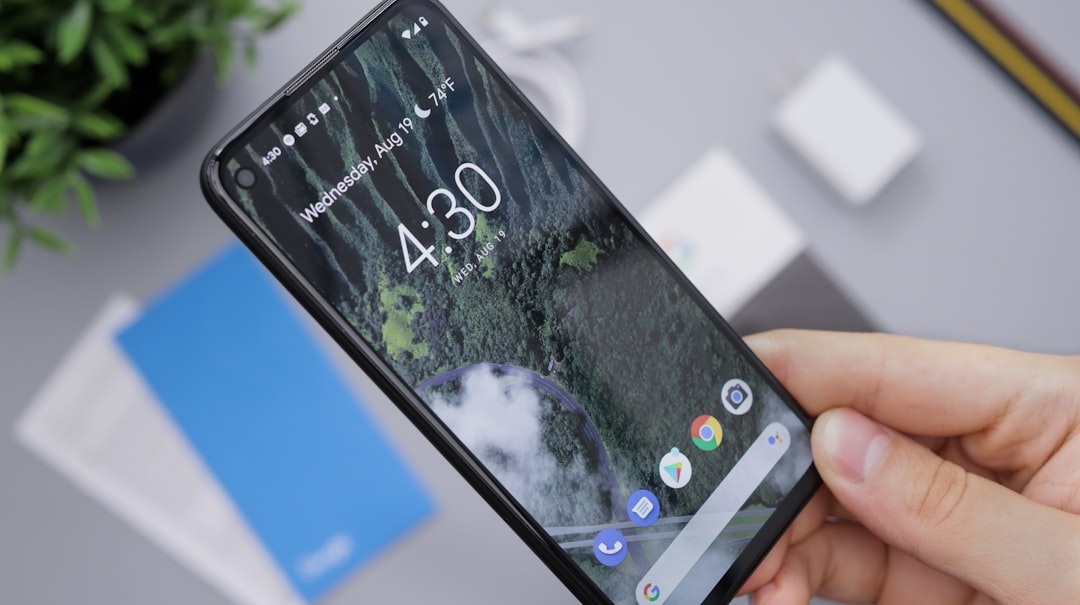
In Michigan, as across the nation, robocalls have become a persistent and frustrating nuisance. While many avoidance techniques exist, engaging with robocall lawyers Michigan offers an aggressive and proactive approach to protect your rights. These legal experts specialize in navigating the complex landscape of telephone consumer protection laws (TCPA) to hold violators accountable and stop unwanted calls at their source.
One of the primary ways robocall lawyers Michigan can assist is by representing consumers in lawsuits against companies or individuals breaking TCPA rules. According to recent data, millions of Americans fall victim to illegal robocalls annually, with many settlements reaching substantial sums. By filing a claim, affected residents can not only receive monetary compensation but also send a clear message that such invasive practices will not be tolerated. Key to success in these cases is the preservation of call records and evidence of the caller's identity, which robocall lawyers Michigan are equipped to handle.
Additionally, these attorneys offer guidance on blocking future calls through automated tools and legal strategies. They can assist in registering your phone number with national "Do Not Call" registries and help configure call-blocking apps effectively. By combining litigation, education, and technical solutions, robocall lawyers Michigan empower residents to regain control of their communication channels and ensure compliance with their privacy rights.