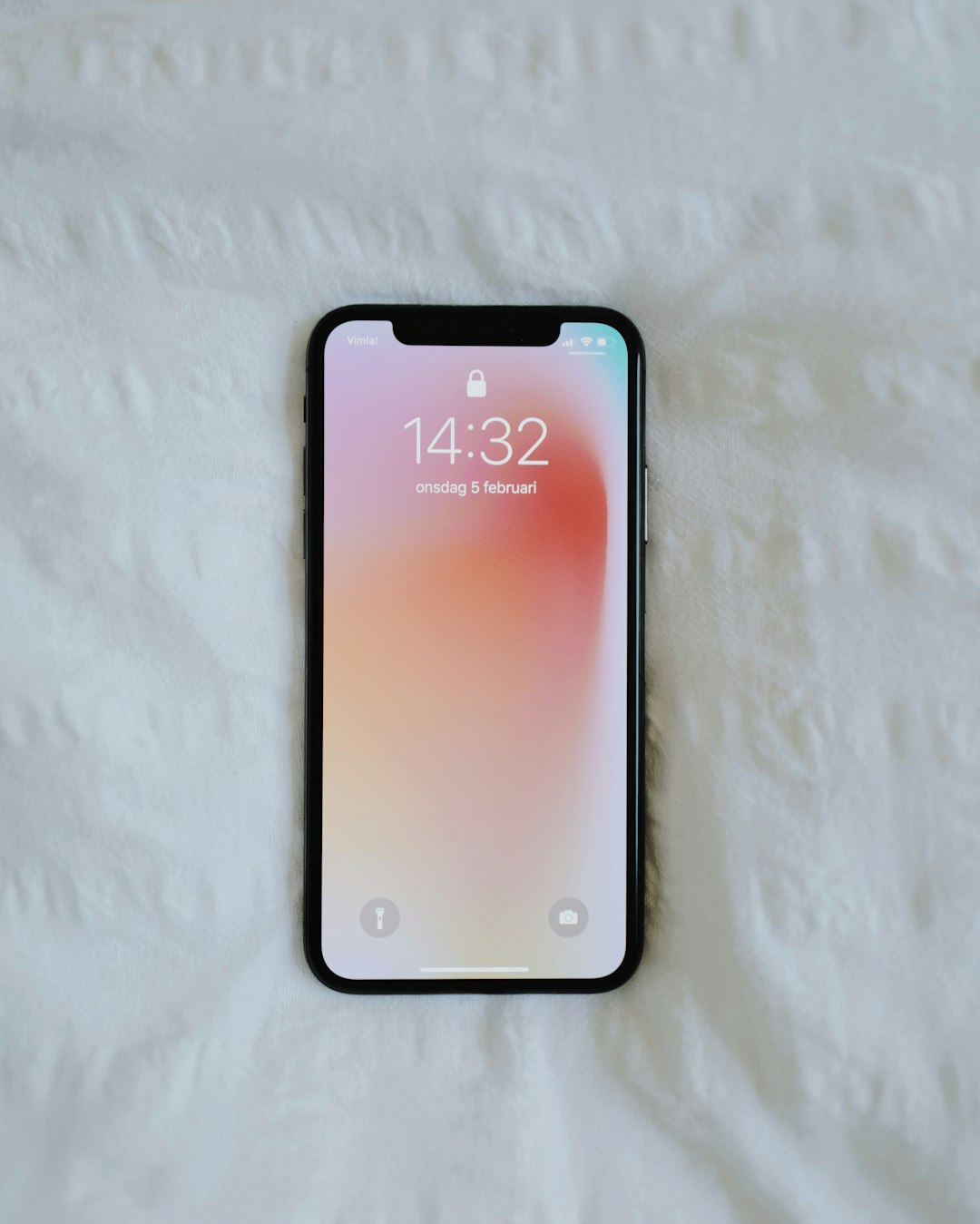
Stop-Unwanted-Texts-Michigan: A Comprehensive Approach to Combating Spam Texts
Introduction
In an era where mobile devices have become ubiquitous, the scourge of unwanted text messages (SMS spam) has become a significant nuisance for consumers globally. "Stop-Unwanted-Texts-Michigan" (SUTM) is a pioneering initiative that aims to address this issue head-on within the state of Michigan. This article delves into the multifaceted aspects of SUTM, exploring its impact, technological underpinnings, economic considerations, and the broader policy framework. Readers will gain a deep understanding of how SUTM operates, its significance in the broader context of consumer protection, and the future it holds for curbing spam texts not just in Michigan but potentially beyond.
Understanding Stop-Unwanted-Texts-Michigan
SUTM is an initiative designed to provide Michigan residents with tools and resources to identify, report, and block unwanted text messages. It encompasses a collaborative effort between state authorities, telecommunication companies, and consumers to tackle the growing concern of mobile phone spam. SUTM's core components include a complaint database, a blacklist of offending numbers, and educational campaigns to raise awareness about the dangers of spam texts and how to prevent them. Its historical context is rooted in consumer protection laws and the evolving nature of telecommunication technologies.
Global Impact and Trends
The impact of unwanted text messages transcends national borders, with individuals worldwide experiencing the frustration and potential risks associated with spam SMS. Global trends indicate a rise in mobile communication-based scams and fraudulent activities. Different regions respond to this challenge in various ways, with some adopting stringent regulations and others leveraging technology to combat these issues. The global landscape of tackling unwanted texts is shaped by cross-border spamming activities, which necessitates international cooperation and standardized approaches.
Economic Considerations
The economic implications of SUTM are multifaceted. On one hand, it addresses the costs associated with spam text messages, such as the time and resources spent by individuals to manage these texts and the potential financial harm from scams. On the other hand, it supports the telecommunication industry in developing anti-spam technologies, which can be monetized as value-added services. SUTM also plays a role in maintaining consumer confidence in mobile networks and fostering an environment conducive to economic activity.
Technological Advancements
Technology is at the heart of SUTM's effectiveness. Advanced algorithms can detect patterns indicative of spam, while artificial intelligence (AI) systems enhance the ability to predict and prevent unwanted texts before they reach consumers. The use of blockchain technology for secure and transparent blacklists is another area of potential advancement. Future technological developments could include AI-driven personalized filters tailored to individual user behaviors and preferences.
Policy and Regulation
The legislative framework governing SUTM includes federal and state laws designed to protect consumers from deceptive and unwanted texts. Key policies encompass the Telephone Consumer Protection Act (TCPA) and the CAN-SPAM Act, which set guidelines for commercial messages. These regulations not only protect consumers but also establish a clear operating environment for telecommunication companies and marketers.
Challenges and Criticisms
SUTM faces several challenges, including the dynamic nature of spamming tactics, which constantly evolve to bypass anti-spam measures. Privacy concerns arise with the collection and sharing of data used to identify and block spam texts. Critics argue that some measures may infringe on freedom of expression or impose undue burdens on legitimate marketers. To overcome these issues, a multi-pronged strategy that combines technology, education, and policy is essential.
Case Studies
Several case studies illustrate the successful implementation of SUTM principles. For instance, a collaborative effort between a major telecom provider and a cybersecurity firm led to a significant reduction in spam texts for its subscribers. Another case study highlights a small business's adoption of best practices for electronic communication that resulted in improved customer relations and reduced legal risks.
Future Prospects
Looking ahead, SUTM is poised to evolve with advancements in technology and shifts in consumer behavior. The potential integration of AI and machine learning could lead to more proactive identification and prevention of spam texts. Emerging trends such as the use of biometric verification for consent and the growth of digital literacy programs will further enhance SUTM's effectiveness.
Conclusion
SUTM represents a significant step forward in the fight against unwanted text messages. Its comprehensive approach encompasses technology, policy, and consumer education, all aimed at protecting individuals from the nuisance and risks associated with spam texts. The initiative's success in Michigan could serve as a model for other states and countries, demonstrating the potential for global impact in safeguarding consumers in the digital age.
FAQs
Q: How does SUTM work?
A: SUTM works by collecting consumer complaints about unwanted text messages, analyzing these reports to identify patterns and offending parties, and then disseminating information about these numbers through a blacklist shared with telecom operators. It also involves educating consumers on how to protect themselves from spam texts and providing resources for reporting such messages.
Q: Can SUTM stop all unwanted text messages?
A: While SUTM significantly reduces the number of unwanted text messages, it is not possible to stop all of them entirely due to the ever-evolving tactics of spammers. However, the initiative aims to minimize their impact and protect consumers as much as possible.
Q: Is SUTM only for residents of Michigan?
A: Initially, SUTM was designed for Michigan residents, but its principles and approach can be adapted and implemented in other states and countries, making it a scalable solution to the problem of unwanted text messages worldwide.
Q: How does SUTM protect privacy?
A: SUTM is committed to protecting consumer privacy. It adheres to strict data protection protocols and ensures that personal information is handled in compliance with relevant laws and regulations, such as the TCPA and GDPR where applicable.
Q: What can consumers do to prevent unwanted text messages?
A: Consumers can educate themselves on identifying spam texts, report any suspicious messages to SUTM or their service provider, install anti-spam apps, and maintain privacy settings on their mobile devices. Being cautious about responding to unknown numbers and avoiding clicking on links in unsolicited texts also helps prevent falling victim to scams.
Q: How can businesses comply with SUTM while still reaching consumers effectively?
A: Businesses should ensure they have express consent from consumers before sending text messages, clearly identify their messages as promotional, and adhere to all relevant laws and regulations regarding electronic communications. Compliance not only helps in avoiding penalties but also builds trust with customers.
December 9, 2025
stop unwanted texts Michigan Expert
Unwanted robocalls are a prevalent issue in Michigan, with over 75% of residents receiving them weekly. Legal protections under the TCPA empower consumers to report these calls via the Attorney General's Office and seek compensation from violators with help from robocall lawyers Michigan. Utili.......
Read more →
December 7, 2025
stop unwanted texts Michigan Expert
Text call harassment, driven by unwanted marketing texts, is a growing concern in Michigan with legal implications under the Michigan Telemarketing Protection Act. Victims can protect themselves by documenting evidence, blocking numbers, and seeking legal guidance from a lawyer for unwanted texts Mi.......
Read more →
December 5, 2025
stop unwanted texts Michigan Expert
Scam robocalls and texts posing as government or businesses target Michiganders, using urgent language and false rewards to trick victims into sharing personal info. Protect yourself by verifying caller identities, ignoring demanding messages, registering for the National Do Not Call Registry, stayi.......
Read more →
December 3, 2025
stop unwanted texts Michigan Expert
Robocall fraud is a growing concern in Michigan, with automated calls targeting residents through phishing and deceptive sales tactics. While laws like TCPA restrict robocalls, fraudsters use call spoofing to bypass regulations. A robocall lawyer Michigan is crucial for educating the public, helping.......
Read more →
December 1, 2025
stop unwanted texts Michigan Expert
Michigan residents are protected from unwanted telemarketing calls by state laws like the MTCPA and federal regulations such as the TCFA and CAN-SPAM Act. To combat spam, consumers can:- Verify caller ID information.- Report suspicious calls to the FTC via the National Do Not Call Registry.- Utilize.......
Read more →
November 29, 2025
stop unwanted texts Michigan Expert
Michigan residents benefit from a robust Do Not Call law enforced by the Attorney General's office, blocking most commercial calls. Registration is free and can be done online or via mail. While not foolproof, regular app settings reviews and security measures enhance protection against robocal.......
Read more →
November 27, 2025
stop unwanted texts Michigan Expert
Michigan residents are protected from robocalls and unwanted texts by the Telephone Consumer Protection Act (TCPA) and state laws. Registering on the National Do Not Call Registry and consulting a lawyer for unwanted texts Michigan are effective steps against nuisance calls. Legal professionals help.......
Read more →
November 25, 2025
stop unwanted texts Michigan Expert
Unwanted robocalls in Michigan are addressed by state law, including protections under the Telephone Consumer Protection Act (TCPA) and the Michigan Consumer Protection Act (MPA). Residents can register on the National Do Not Call Registry, file complaints with the Attorney General's office, an.......
Read more →
November 23, 2025
stop unwanted texts Michigan Expert
Michigan residents face a significant robocall and spam text problem due to high population and technological access for spammers. Robocall Lawyers Michigan advise strengthening privacy settings, opting out of marketing lists, using call-blocking apps, and reporting spam. Registering on the National.......
Read more →
November 21, 2025
stop unwanted texts Michigan Expert
Robocalls and spam texts are a significant problem in Michigan, with high complaint volumes. While blocking and registering for the Do Not Call Registry help, sophisticated spam requires legal expertise. Lawyers specializing in consumer protection and telecom law offer tailored strategies to combat.......
Read more →